
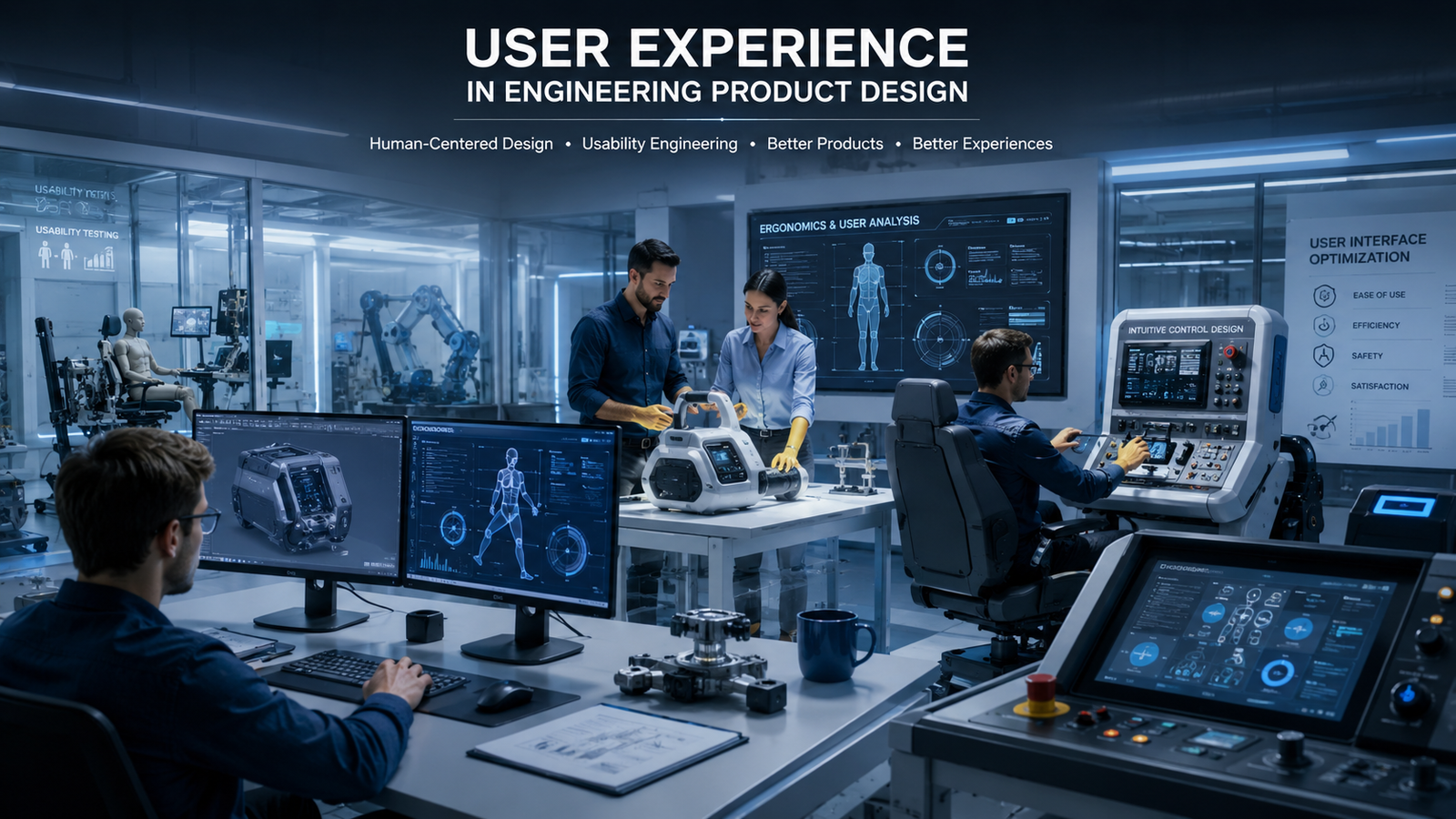
At 4Dimensions Infotech Pune, students learning modern engineering design quickly understand that product success is no longer based only on strength, speed, or technical performance.
Today, industries also focus heavily on how users interact with engineering products.
A technically advanced product may still fail if it is difficult to operate, uncomfortable to use, or confusing for users.
Because of this, user experience in engineering products has become one of the most important aspects of modern product development.
Modern engineering companies now combine technical performance with usability, ergonomics, safety, accessibility, and human-centered design principles.
Industries such as automotive engineering, industrial manufacturing, consumer products, aerospace systems, medical equipment, and smart technologies all rely heavily on user-focused engineering design.
Students learning through a CAD course in Pune, SolidWorks course, CATIA course, or engineering software course must understand how user interaction directly affects real-world product success.
This engineering approach also strongly connects with comfort vs performance in industrial product design, where engineers balance usability with technical efficiency.
User experience (UX) in engineering refers to how people interact with and feel while using a product or system.
It includes factors such as:
Modern engineering products must not only function correctly but also provide a smooth and intuitive experience for users.
Because of this, engineers increasingly design systems around user behavior and practical usability instead of focusing only on technical specifications.
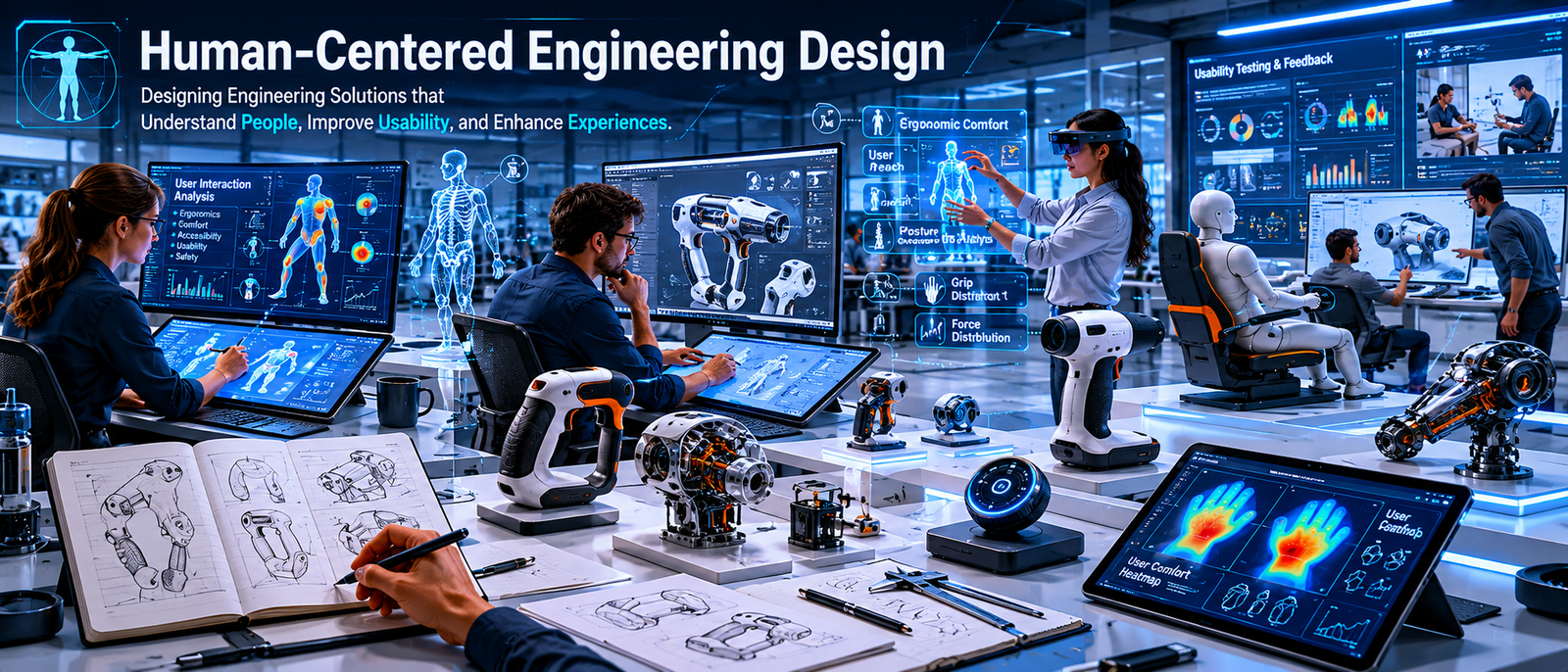
One of the biggest advantages of good user experience is improved usability.
Products that are easy to understand and operate help users work more efficiently and confidently.
When engineering systems are confusing or difficult to control, users are more likely to make mistakes.
Because of this, engineers must carefully design interfaces, controls, layouts, and workflows to improve operational simplicity.
Modern engineering industries strongly depend on usability-focused workflows explained in industry workflows used in real engineering companies, where user interaction directly affects productivity and operational performance.
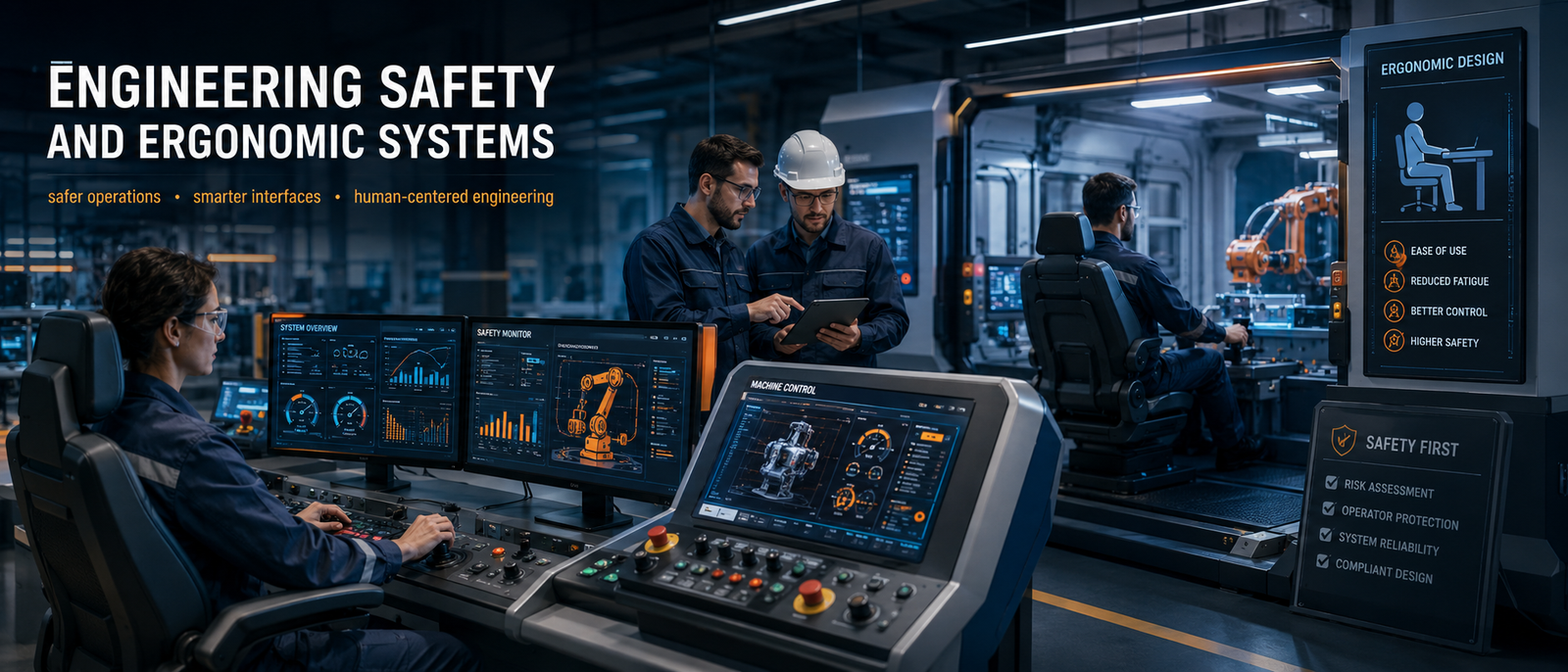
User-friendly engineering design also improves safety and reliability.
Clear interfaces, intuitive controls, and properly organized systems reduce operational errors significantly.
In industrial environments, poor usability can create serious safety risks.
Because of this, engineers carefully evaluate how users interact with machines, systems, and equipment during product development.
Modern industries increasingly focus on:
As a result, engineering products become safer, more reliable, and easier to operate.
Products with better user experience are usually more successful in the market.
Users naturally prefer systems that are efficient, comfortable, and easy to operate.
Even highly advanced engineering products may struggle commercially if they are difficult to use.
Because of this, modern engineering companies increasingly prioritize usability during product development.
Engineering teams now focus on creating products that balance:
This user-focused engineering approach strongly aligns with turning engineering skills into real-world value, where practical usability becomes important for industrial success.
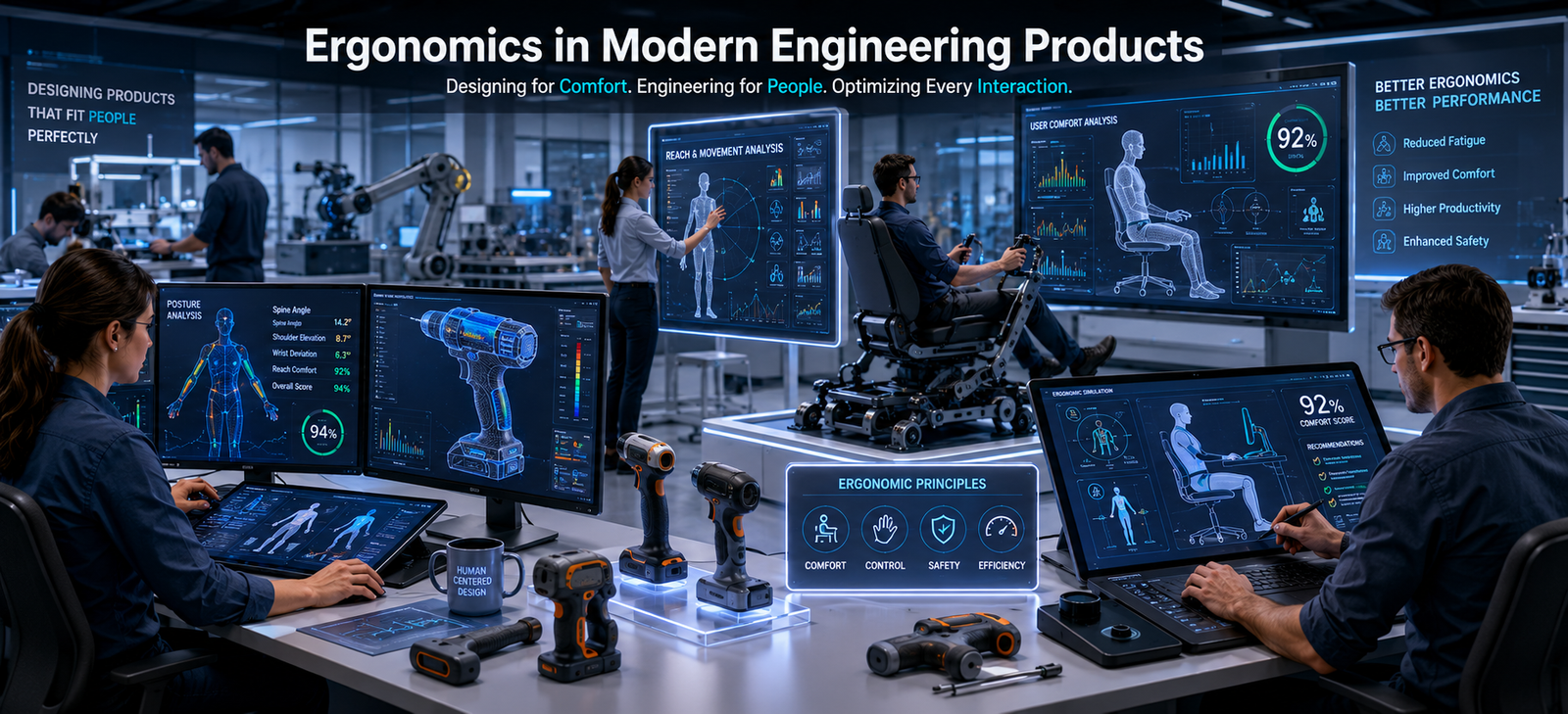
Ergonomics is one of the most important parts of user experience in engineering design.
It focuses on designing products that improve comfort, reduce fatigue, and support efficient long-term usage.
Engineers study how users physically interact with products and optimize designs accordingly.
Modern ergonomic engineering improves:
Because of this, ergonomics has become essential in industrial product development and mechanical engineering design.
Modern engineering products are becoming increasingly digital, interactive, and intelligent.
Because of this, engineers must design systems that users can easily understand and operate.
Today’s engineering systems often include:
Engineering teams now use advanced CAD tools and simulations to evaluate user interaction before manufacturing begins.
This modern workflow strongly connects with modern engineering software tools and digital workflows, where usability-focused interfaces improve productivity significantly.
Consider the control panel of an industrial machine.
If the buttons, indicators, and controls are poorly organized, operators may take longer to complete tasks or make operational mistakes.
However, when engineers create a simple and intuitive interface, productivity improves significantly.
Modern automotive dashboards, medical equipment systems, industrial machinery, and smart devices all rely heavily on user-centered engineering design principles.
Because of this, user experience directly affects product success in real-world industries.
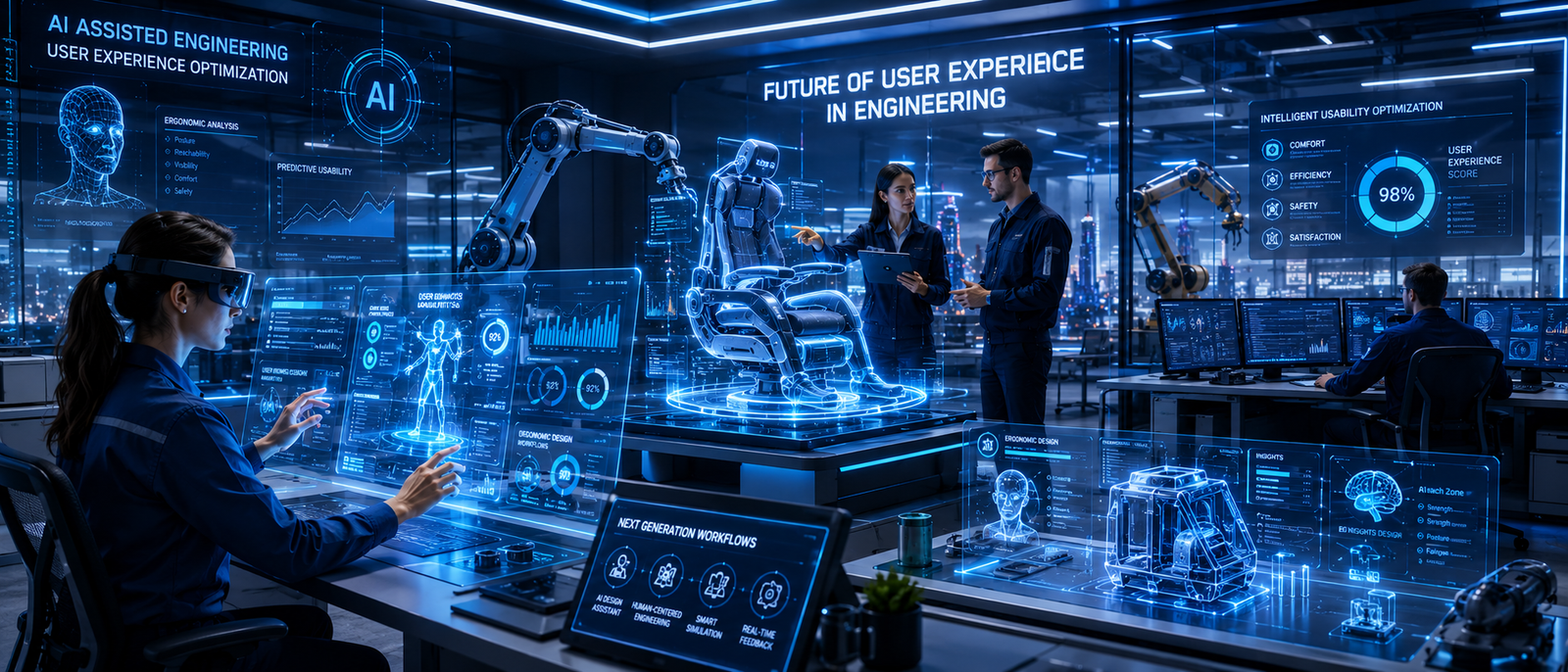
User experience in engineering products is now one of the most important aspects of modern product development.
Engineering products must not only perform efficiently but also provide safe, comfortable, and intuitive interaction for users.
Modern industries increasingly depend on engineers who understand usability, ergonomics, safety, and human-centered design principles.
Because of this, engineers who combine technical skills with user-focused design thinking gain a major advantage in modern engineering careers.
Understanding engineering user experience becomes far more valuable when students apply these concepts using real CAD workflows and product design projects.
Students gain practical exposure to SolidWorks, CATIA, AutoCAD, Revit, and Civil 3D while learning how real engineering products are designed for actual users.
1. What is user experience in engineering?
User experience refers to how users interact with and feel while using a product or system.
2. Why is UX important in engineering products?
It improves usability, safety, efficiency, and product success.
3. What is ergonomics in engineering?
Ergonomics focuses on designing products for comfort, safety, and efficient use.
4. Does user experience affect product performance?
Yes. Better usability improves operational efficiency and reduces user errors.
5. Can students learn engineering UX through CAD training?
Yes. Practical CAD and product design training helps students understand real-world usability and user-focused engineering workflows.
© 2025 4Dimensions Infotech. All rights reserved. | Best Design Engineering Training Institute in Pune
Start your journey with the best design engineering training institute in Pune.